Which Is a Longitudinal Wave That Requires a Medium to Move?
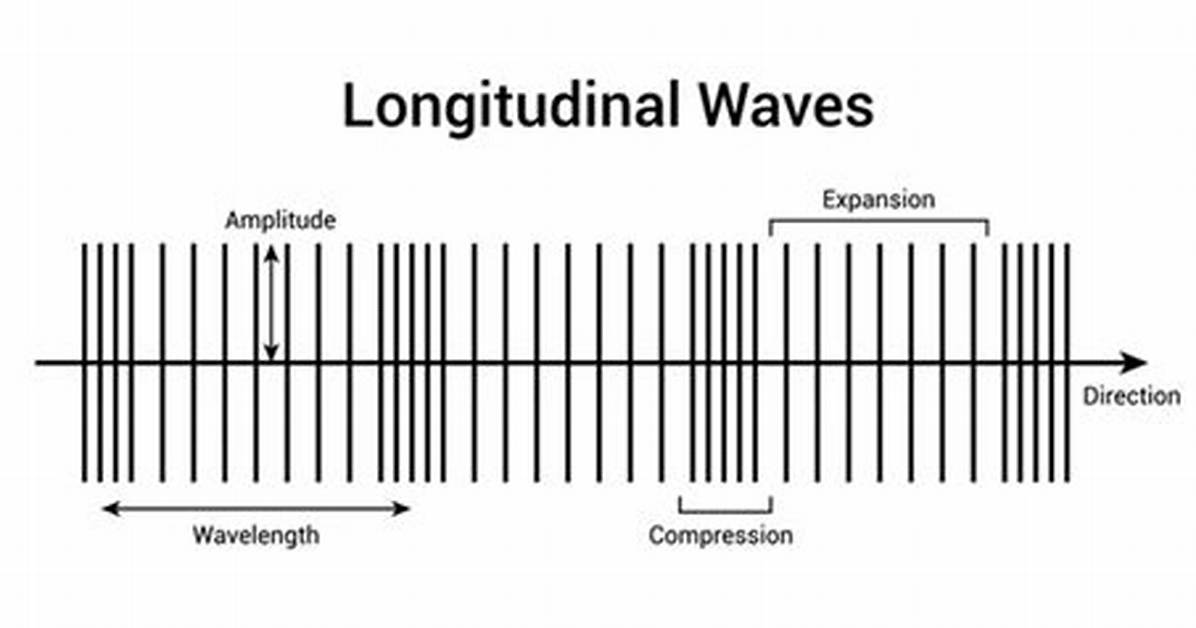
An Example of a Longitudinal Wave That Requires a Medium to Move Is Sound. Sound Is a Mechanical Wave, Which Means It Needs a Medium to Propagate. …
Frequently Asked Questions
Do Longitudinal Waves Have Amplitude?
In a Longitudinal Wave, Particles of the Medium Move Back and Forth in the Same Direction as the Wave. Wave Amplitude of a Longitudinal Wave Is the Distance Between Particles of the Medium Where It Is Compressed by the Wave. the Closer Together the Particles Are, the Greater the Amplitude of the Wave.
What Kind of Medium Does a Longitudinal Wave Need?
Longitudinal Wave (Like Sound Waves) Required a Material Medium (E. G. Air) for Their Transmission Hence Cannot Pass Through the Vacuum.
Why Do Transverse Waves Need a Medium to Propogate?
Mechanical Transverse Waves Require a Material Medium and Propogate by Means of Vibrations of the Medium Perpendicular to the Direction of Travel. Electromagnetic (Em) Waves (Such as Light) Are Also Transverse Waves but They Do Not Require a Medium and Thus Can Pass Through a Vacuum (See Intro). Why Do Longitudinal Waves Need a Medium?