What Happens If You Mix Bleach and Lye?
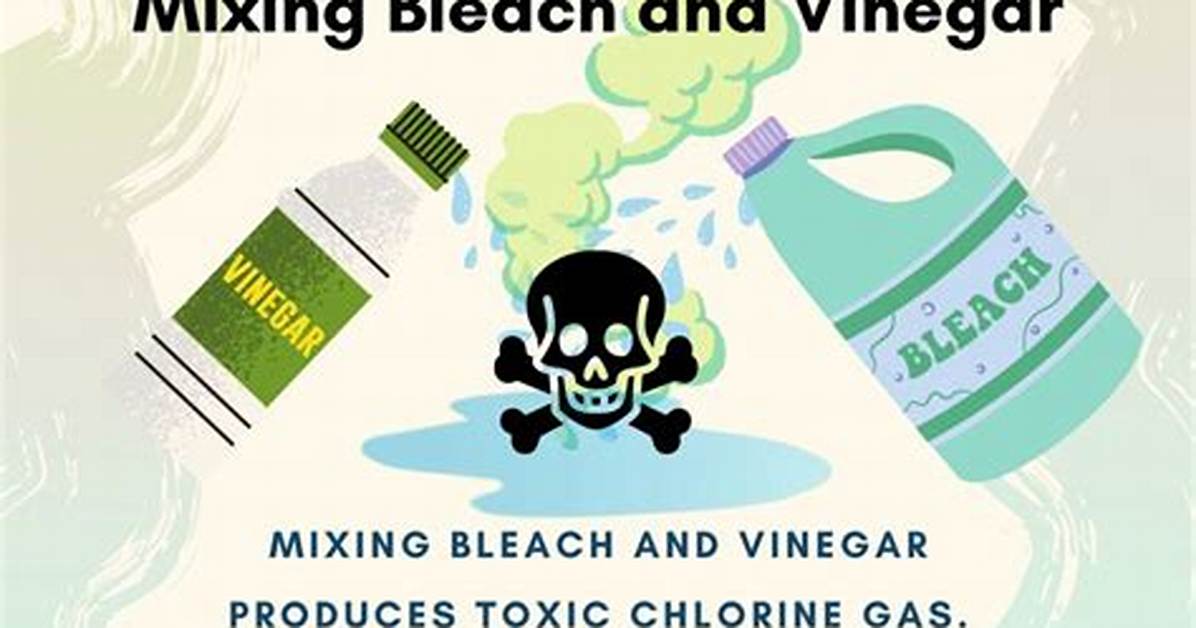
Do Not Mix Chlorine Bleach with Toilet Bowl Cleaners, Ammonia, Lye, Rust Remover, Vinegar, or Oven Cleaner. You May Inadvertently Create Chlorine Gas, Which Is Highly Toxic — Even Lethal.
Frequently Asked Questions
Is It Safe to Mix Bleach and Soap?
Bleach and Soap Don’t Mix! Mixing Chlorine Bleach and Cleaners Like Dish Soap Can Be Harmful to Your Health. Mixing Bleach with Other Cleaners Can Release Toxic Gases. Washing Dishes in Warm, Soapy Water Already Removes Germs.
Can You Mix Pine Sol and Bleach?
Bleach and Pine-Sol: Mixing These Two Chemicals in Large Amounts Will Create Chlorine Gas and Can Restrict Your Breathing.
Can I Mix Bleach and Dawn?
Dawn Wrote the Verify Team, “None of Our Dawn Dishwashing Liquids Contain Ammonia. However, You Shouldn’t Mix Dish Washing Liquids with Any Cleaner, Including Bleach. ” Dasgupta Said That Is Because Most of Them Have Amines, an Organic Form of Ammonia. So We Can Verify Bleach and Dish Soap Are a Toxic Combination.
What Kind of Lye Is Used to Make Soap?
Lye in the Form of Both Sodium Hydroxide and Potassium Hydroxide Is Used in Making Soap.
What Kind of Hydroxide Is a Lye?
A Lye Is a Metal Hydroxide Traditionally Obtained by Leaching Ashes (Containing Largely Potassium Carbonate or “Potash”), or a Strong Alkali Which Is Highly Soluble in Water Producing Caustic Basic Solutions. “Lye” Is Commonly an Alternative Name of Sodium Hydroxide (Naoh) or Historically Potassium Hydroxide (Koh), …