Whale Shark Fact Sheet | Blog | Nature
Whale Shark (Rhincodon Typus): Slow-Moving, Filter-Feeding Carpet Shark.
Frequently Asked Questions
Size and Weight:
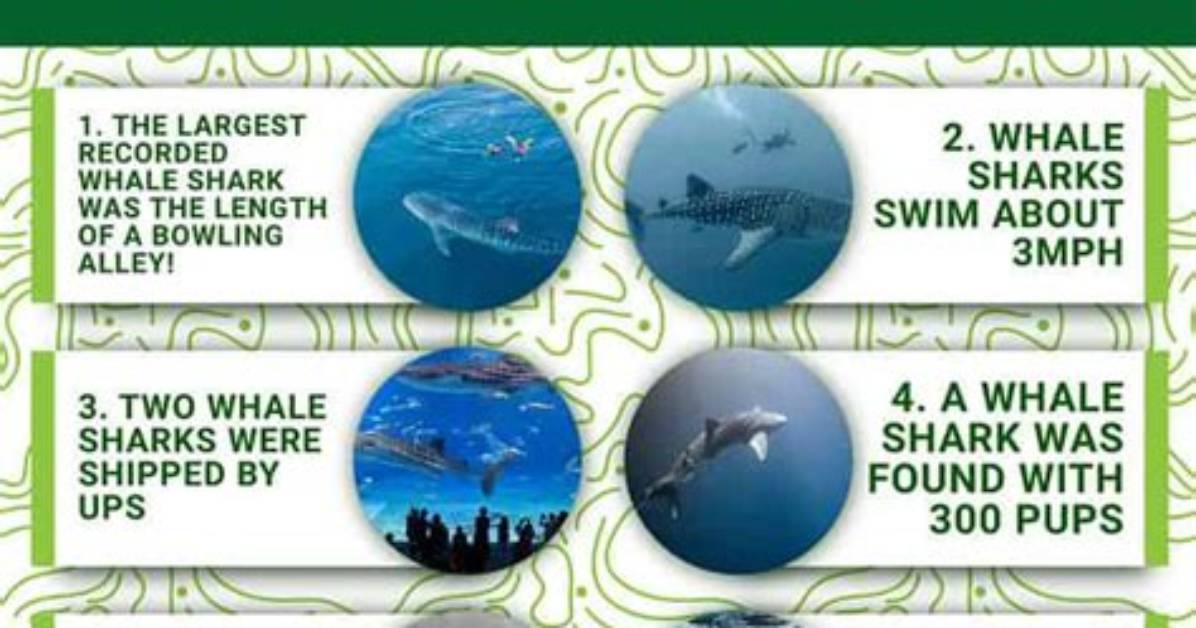
Whale Sharks Are the World’s Largest Fish, Measuring up to 45 Feet in Length and Adults Weigh About 41,000 Pounds. Their Mouth Alone Stretches Four Feet Wide. Whale Sharks Are the Largest Shark Species, and Ironically, Are Benign. They Are Considered Harmless and Are Often Referred to as “Gentle Giants. ”
Appearance:
Whale Sharks Have Distinctive Light-Yellow Markings on Their Very Thick, Dark Gray Skin. Their Yellow Markings Are Random Stripes and Dots. Their Thick Rubbery Skin Acts Like Armor to Deter Shark Predators.
Diet:
The Whale Shark Is a Filter-Feeding Carpet Shark, Meaning That It Can Neither Bite nor Chew. Whale Sharks Have Thousands of Tiny Teeth That They Can Only Shrimp Fish and Plankton by Using Its Modified Gill Rakers as a Suction Filter.
Habitat:
The Whale Shark Is Found in Open Waters of the Tropical Oceans and Is Rarely Found in Water Below 70 Degrees Fahrenheit.
Geography:
Whale Sharks Can Be Found in All Temperate and Tropical Oceans Around the World Except the Meditteranean Sea. They Migrate Thousands of Miles to Different Feeding Grounds.
Breeding and Social Structure:
Little Is Known About Their Breeding and Social Structures. Whale Shark Females Produce Eggs, but the Young Hatch Inside of the Mother Instead of in the Water Like Most Fish. a Female Giving Birth Has Never Been Observed. It Is Not Known Where Pupping Occurs or Where the Youngest Animals Situate.
Lifespan:
It Is Believed That Whale Sharks May Have a Lifespan of 100 to 150 Year's.
Threats:
According to the World Wildlife Fund (Wwf), Unregulated and Unsustainable Fisheries Are the Main Threat to Whale Sharks. Whale Sharks Are Highly Valuable on International Markets for Their Meat, Fins, and Liver Oil, Especially in East Asian Countries. Bycatch Is Another Threat to the Species, as They May Become Victims of Accidental Capture of Non-Target Species in Fishing Gear. Marine Tourism Presents Another Threat to the Species, as It Can Interrupt Their Feeding and the Boat Propellers Can Injure the Sharks.
Conservation Status:
Whale Sharks Are Listed as “Endangered” by Iucn’s Red List.
Conservation Efforts:
Conservation Groups Like Wwf Are Working to Protect This Endangered Species. Wwf Is Helping to Improve Whale Shark Tourism. It Is Also Conducting Scientific Research on the Species to Create a Better Understanding of Its Habitats. Wwf Experts Are Gathering Information on Individual Whale Sharks by Using Satellite Tags, Sonar Devices and Digital Cameras. the Information Gathered Will Be Used in Developing Further Protections for Whale Sharks.