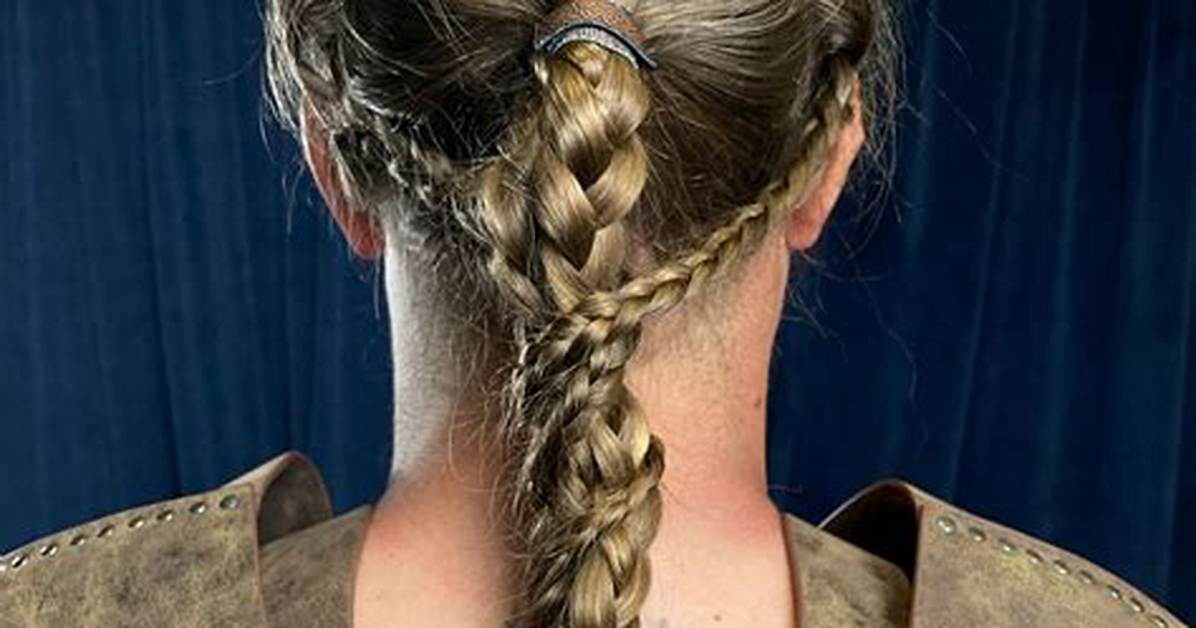
Viking Braids Historical: Unraveling the Secrets of Ancient Hairstyles
Viking Braids Historical Are More Than Just a Trend; They Are a Fascinating Glimpse into the Culture and Identity of the Norse People. These Intricate Hairstyles Have Been Celebrated for Centuries, Symbolizing Strength, Status, and Craftsmanship. in This Article, We Will Delve Deep into the Historical Significance of Viking Braids, Their Cultural Context, and the Techniques That Made Them a Hallmark of Viking Identity.
Frequently Asked Questions
1. the Origins of Viking Braids
The History of Viking Braids Dates Back to the Early Medieval Period, Specifically During the Viking Age (793-1066 Ad). This Era Was Characterized by the Norse Seafarers' Exploration, Trade, and Conquest Across Europe. Viking Hairstyles Were Practical, Designed to Withstand the Rigors of Their Adventurous Lifestyle.
Evidence from Historical Texts
Historical Texts and Sagas, Such as the "Saga of the Ynglings," Provide Accounts of the Significance of Hair and Grooming Among the Norse People. These Texts Often Highlight the Importance of Appearance in Viking Society, Indicating That Well-Groomed Individuals Were Respected and Admired.
2. the Cultural Significance of Braids
In Viking Culture, Braids Were More Than a Mere Hairstyle; They Were a Symbol of Identity and Status. Different Braiding Styles Could Indicate a Person's Social Standing, Marital Status, or Even Their Profession. for Instance, Warriors Often Wore Their Hair in Specific Styles to Signify Their Readiness for Battle.
Gender Roles and Braiding
Braiding Was Not Limited to One Gender; Both Viking Men and Women Embraced This Art Form. Men Often Wore Their Hair in Practical Styles That Kept It out of Their Faces During Combat or Seafaring, While Women Utilized Elaborate Braids to Showcase Their Beauty and Femininity.
3. Popular Viking Braid Styles
Viking Braids Come in Various Styles, Each with Its Own Significance and Aesthetic Appeal. Some of the Most Popular Styles Include:
4. Techniques for Creating Viking Braids
Creating Authentic Viking Braids Requires Practice and Technique. Here Are Some Fundamental Steps to Help You Achieve These Historical Hairstyles:
Basic Braiding Techniques
1. **Preparation: ** Start with Clean, Dry Hair. You Can Apply a Light Styling Product to Add Texture.
5. Viking Braids in Modern Culture
In Recent Year's, Viking Braids Have Experienced a Resurgence in Popularity, Thanks in Part to Television Shows and Movies That Depict Norse Culture. These Styles Have Transcended Their Historical Roots and Have Become Fashionable in Modern Settings, Appealing to a Wide Audience.
6. Materials and Tools Used in Braiding
To Create Stunning Viking Braids, You May Need Specific Materials and Tools, Including:
7. How to Maintain Viking Braids
Maintaining Viking Braids Requires Care to Ensure They Remain Intact and Stylish. Here Are Some Tips:
8. Conclusion
Viking Braids Are a Testament to the Rich Cultural Heritage of the Norse People. They Represent Not Only an Art Form but Also a Symbol of Identity, Status, and Craftsmanship. by Exploring the Historical Significance of These Hairstyles, We Gain Insight into the Values and Traditions of a Remarkable Civilization.