Sumo Deadlift: an Expert Shows You How
We Test and Review Fitness Products Based on an Independent, Multi-Point Methodology. If You Use Our Links to Purchase Something, We May Earn a Commission. Read Our Disclosures.
Frequently Asked Questions
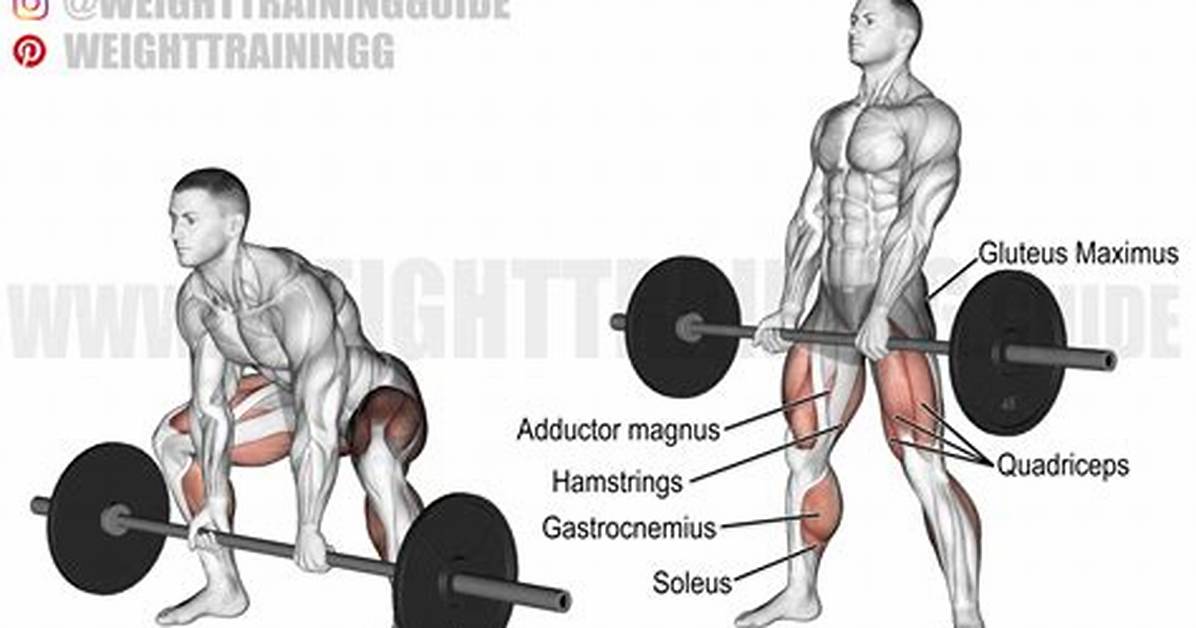
How to Do the Sumo Deadlift Exercise
Muscles Worked: Lower Back, Glutes, Hamstrings, Quadriceps, Calves, Trapezius
Trainer Tips for Form
Below Are Four Tips to Help You Do the Sumo Deadlift the Right Way Based on My Experience as a Certified Personal Trainer (Cpt):
Take Your Time
There’s No Rush When It Comes to Doing the Sumo Deadlift. It’s Important to Take Your Time to Set up Correctly, Especially When Lifting Heavy Loads. Ensure Your Stance Is Comfortable and You’re Set up Symmetrically on the Bar. Speaking from Experience Here—the Calmer You Are Before the Lift, the Easier It Will Feel.
Push Your Knees Out
Similar to the Barbell Squat, You’ll Want to Push Your Knees out and in Line with Your Toes During the Movement. There Are Two Reasons Why. Firstly, It’ll Help You Feel More Stable, Meaning You’re Less Likely to Get Pain in Your Knee Joints. Pushing Your Knees out Also Means Your Hips Are Closer to the Bar, Making It Easier to Lift the Bar off the Ground.
Squeeze the Bar
If You Don’t Use Lifting Straps (More on This Below!), Your Grip Is Likely to Give in Before the Muscles in Your Posterior Chain Do. One Way to Get Around This Is to Squeeze the Bar as Firmly as Possible, Especially During Heavy Weights. This May Give You Another Rep or Two That You Wouldn’t Have Otherwise Been Able to Do.
Keep Your Chest Up
When You Reach for the Barbell in the Starting Position, It Can Be Tempting to Drop Your Chest. You Don’t Want This Because It’ll Mean That Your Shoulders Are Rounded and Too Far Forward. Instead, to Keep the Bar as Close to Your Body as Possible During the Lift and Make the Exercise as Easy as Possible, Lift Your Chest Up.
Sumo Deadlift Benefits
This Is What You’ve Been Waiting for—the Benefits of the Sumo Deadlift. in My Opinion, These Are the Three the Most Important:
Friendlier on the Lower Back
I Loved Doing Regular Deadlifts Until I Started Lifting Heavy on Them, and Then They Started Aggravating My Lower Back. I Didn’t Want to Add Any More Weight to the Bar Because of This, Causing Me to Plateau. Sumo Deadlifts Changed the Game. Because You’re More Upright During the Exercise and Closer to the Floor, This Can Help to Ease the Pressure on Your Lower Back.
You May Lift Heavier Loads
Because Your Arms and Hands Are on the Inside of Your Legs, Rather Than the Outside Like the Traditional Deadlift, This Gives You a Shorter Range of Motion. Why Is This Important? Well, This Shorter Range of Motion Usually Translates to Heavier Loads During the Sumo Deadlift. This Could Mean More Muscle Growth.
Easier for Taller People
A 2019 Study in the Journal of Sports Science and Medicine3 Found That the Sumo Deadlift Was Slightly Mechanically Advantageous for Individuals with Longer Torsos, While the Conventional Deadlift May Be Better Suited for Those with Shorter Torsos. of Course, Everyone Is Different, So It’s Worth Trying Both to See Which Works for You.
Common Sumo Deadlift Mistakes
It’s Easy to Make Mistakes on the Sumo Deadlift. Luckily, It’s Just as Easy to Avoid Them. Two of the Most Common Mistakes Include:
Bar Is Too Far Away
The Further the Bar Is Away from Your Legs, the More Difficult the Sumo Deadlift. When You Set Up, You’ll Want the Bar to Be Close to Your Shins. but Even During the Lift, It Can Be Easy for the Bar to Move Away, Usually Because Your Chest Isn’t Sticking up or Your Hips Rise Too Early. Don’t Make the Lift Harder Than It Needs to Be. Keep the Bar as Close as Possible.
You’re Hyperextending Too Much
At the Top of the Movement, Time and Time Again, I’ve Seen People Hyperextending Too Much. This Isn’t Necessary and Can Put Pressure on Your Spine. You Want to End the Movement by Standing Upright with Your Glutes Squeezed, but You Don’t Want to Be Leaning Backward at All. Being Mindful of This Can Help to Avoid Injuries, Especially with Heavy Loads.
Sumo Deadlift Variations
I Believe It’s Important That You Have Some Variations of the Barbell Sumo Deadlift. for Example, You Might Not Have (Or Want to Use!) a Bar and Prefer to Use Dumbbells, Kettlebells, or Resistance Bands Instead. Alternatively, You May Want to Add an Extra Element to the Movement to Work Your Upper Body.
Dumbbell Sumo Deadlift
Why Do It: It’s a Great Way to Target the Same Muscle Groups as the Sumo Deadlift Without Needing a Barbell and Weight Plates. You Also Get a Slightly Longer Range of Motion with the Dumbbell Sumo Deadlift, Which Has the Potential for More Muscle Growth.
Kettlebell Sumo Deadlift
Why Do It: for Those New to Strength Training, the Kettlebell Sumo Deadlift Is an Excellent Way to Learn the Sumo Deadlift Technique Before You Progress to the Barbell Version. If the Below Is Too Easy or You Don’t Have a Heavier Kettlebell, Use Two Kettlebells and Hold One in Each Hand.
Sumo Deadlift High Pull
Why Do It: Not Only Does It Work Your Lower Body with the Sumo Deadlift Element, but the High Pull Section Hits Your Upper Body, Too (Especially the Upper Back, Shoulders, and Arms). It’s a Popular Crossfit Exercise, but It’s Important to Start Light to Get the Proper Form.
Resistance Band Sumo Deadlift
Why Do It: If You Don’t Have Access to Barbells, Kettlebells, or Dumbbells, Don’t Worry! You Can Do the Sumo Deadlift Using Resistance Bands, Too. You Can Take These with You Wherever You Go, and They’re Great for Beginners or Those Who Have Injuries Because They’re Lower Impact.
Useful Sumo Deadlift Equipment Accessories
You’re Probably Thinking, “All of This Sounds Great, but Are There Any Accessories I Can Use to Make This Bodybuilding Exercise Easier? ” from Experience, Here Are a Few:
A Deadlift Bar
Most Lifters Use a Traditional Olympic Bar to Do Sumo Deadlifts. There’s Nothing Wrong with This. but If You Want to Take It a Step Further, a Bar Such as the Rep Fitness Hades Deadlift Bar Has a Thinner Shaft Diameter and Aggressive Knurling to Provide a Great Grip for Heavy Sumo Deadlifts. with Deadlift Bars, You Usually Get a Longer Barbell Length, Too, Allowing for More Flex as You Pull.
Deadlift Shoes
The Best Shoes for Deadlifting Can Make All the Difference to Your Sumo Deadlift. I’ll Be Honest—I Prefer Deadlifting Without Shoes (As Do a Lot of the Ggr Team). but Unfortunately, Most Gyms Don’t Allow This. a Quality Pair of Shoes Offers Good Ankle Support and Stability and Are Comfortable, Durable, and Have a Stable Base.
Weightlifting Belts
Some People Love Them; Some People Hate Them. Yes, I’m Referring to Weightlifting Belts. I’m in the “Love” Category If You’re Wondering, but There’s a Caveat. I Would Only Start Using One After You’ve Had Some Experience Training Without One. Master Your Sumo Deadlift Form First, Then Use a Belt to Support Your Abdominal and Back Muscles During Near-Maximal Loads.
Lifting Straps
When It Comes to Improving Your Grip Strength on the Sumo Deadlift, Consider a Pair of the Best Lifting Straps. Straps Support Your Wrists, Protect Your Hands from Calluses, And, More Importantly, May Help You Push Through Those Extra Few Reps to Help You Build Strength and Size. Make Sure You Don’t over-Rely on Them, Though.
Sumo Deadlift: Faqs
Sumo Deadlifts Are Good for Activation of the Lower Back, Glutes, Hamstrings, Quads, Calves, and Trapezius. Some People (Including Myself) Find That Sumo Deadlifts Put Less Pressure on Their Lower Back Compared to Regular Deadlifts, Which Is Why They Include Them in Their Workouts. You May Even Be Able to Lift Heavier Weights with Sumo Deadlifts.
What Are Sumo Deadlifts Good for?
Sumo Deadlifts Are Good for Activation of the Lower Back, Glutes, Hamstrings, Quads, Calves, and Trapezius. Some People (Including Myself) Find That Sumo Deadlifts Put Less Pressure on Their Lower Back Compared to Regular Deadlifts, Which Is Why They Include Them in Their Workouts. You May Even Be Able to Lift Heavier Weights with Sumo Deadlifts.
What Is the Difference Between Sumo Deadlift and Regular Deadlift?
There Are a Few Differences Between Sumo Deadlifts and Regular Deadlifts. Firstly, the Set-up Is Different. with the Regular Deadlift, You Stand Hip-Width Apart and Take Hold of the Bar with Your Hands Outside Your Legs. with the Sumo Deadlift, You Stand Wider Than This (Around Two Times Shoulder-Width) and Grab the Bar with Your Hands Inside Your Legs.
Can You Lift Heavier with a Sumo Deadlift?
Yes, Most People Find They Can Lift Heavier with a Sumo Deadlift. This Is Because of the Shorter Range of Motion That You Get. It’s Worth Noting That Every Individual Is Different, and I Know People Who Despise the Sumo Deadlift and Find They Prefer How the Regular Deadlift Feels (And So Lift Heavier on It). Try Both to See What You Like.
Which Deadlift Is Best for Glutes?
For the Glutes, All Types of Deadlift Work. This Is Because They All Activate the Glutes to Some Extent. Examples You Should Consider Trying Include the Traditional Deadlift, Sumo Deadlift, Romanian Deadlift, Trap-Bar Deadlift, Single-Leg Deadlift, and Deficit Deadlift. Experiment with These Exercises (And More) to See Which Works Your Glutes the Most.
References
Ravi Davda Is a Qualified Personal Trainer and Health and Fitness Writer. After Graduating, Ravi Worked in Retail Banking for a Number of Year's Before Deciding That Corporate Life Wasn't for Him. He Went Through a Major Weight Loss Journey in His 20S Which Lead Him to This Career Path. Ravi Now Works as a Digital Marketing Freelancer, and Loves Lifting Weights, Traveling, and Spending Time with His Wife and Dog.