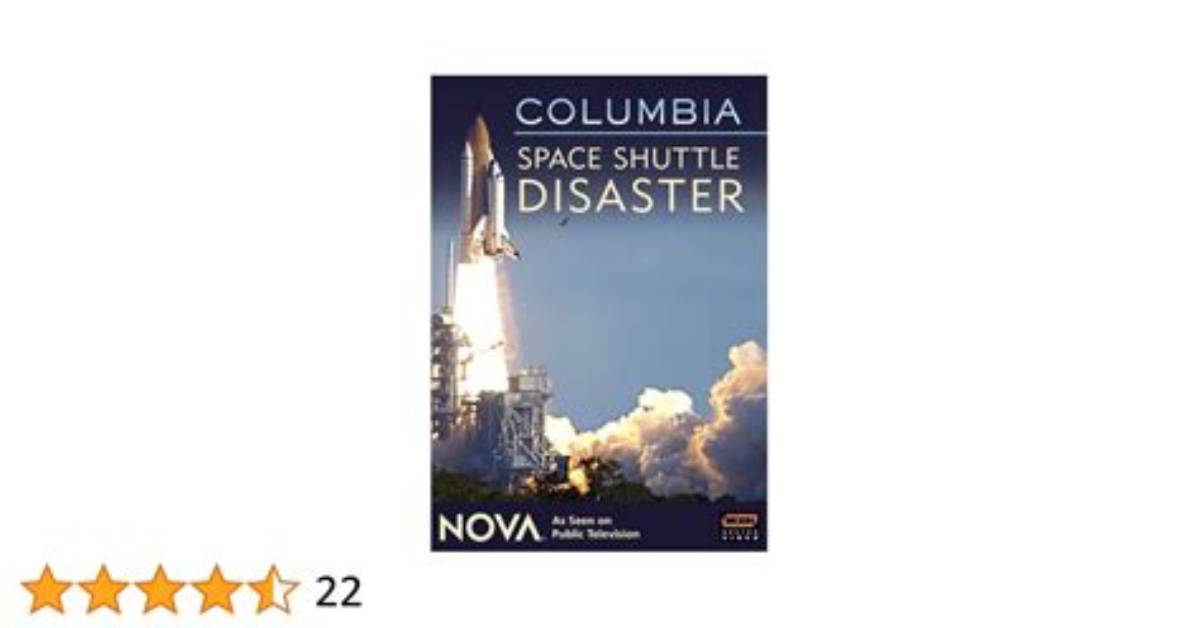
Nova | Space Shuttle Disaster | Rescue Scenarios
On February 1, 2003, as the Space Shuttle Columbia Reentered Earth's Atmosphere at the End of a Two-Week Scientific Mission, It Suddenly Broke Apart in the Skies over Texas, Instantly Killing the Five Men and Two Women Onboard. in the Days Following the Shocking Loss, Reporters Grilled Nasa Officials to Learn What, If Anything, Could Have Been Done to Save the Astronauts. If Mission Managers Had Recognized That the Shuttle Had Incurred Potentially Fatal Damage During Liftoff, Could They Somehow Have Brought the Crew Home Safely? Nasa's Response: Columbia and the Men and Women Onboard Were Doomed from Shortly After Liftoff.
Frequently Asked Questions
January 16, 2003 (Day 1)Columbia Launches from Kennedy Space Center
On a Blue-Sky Morning at 10:39 A. M. the Shuttle Lifts off on Columbia Mission Sts-107. Roughly 80 Seconds into the Launch, a Briefcase-Size Piece of Insulating Foam Breaks off from the External Fuel Tank and Strikes the Underside of Columbia's Left Wing, but Neither Astronauts nor Personnel in Mission Control Are Aware of the Problem.
January 17-19 (Days 2-4)Nasa Calls for Images of Wing
On Flight Day 2, a Frame-by-Frame Analysis of Film of the Launch Reveals the Foam Striking Columbia's Left Wing, but No One Can Tell the Exact Location of the Hit or the Extent of Damage.
January 20 (Day 5)Spacewalk Confirms Damage
The Crew of Columbia Had Not Anticipated Performing Any Spacewalks During Their Scientific Mission, Yet Two of the Astronauts, Mike Anderson and David Brown, Are Trained in Standard Eva Techniques. the Inspection Spacewalk They Now Set out to Do, While Hardly Standard, Is Deemed Relatively Low-Risk, with a High Prospect of Success.
January 20 (Day 5)Crew Begins Conserving "Consumables"
Columbia Had Originally Set off for a 16-Day Mission. Now the Number of Days It Will Remain in Orbit, and Much Else, Lie in Question. the Crew Is Instructed to Power Down to About a Third the Energy Use of Normal Operations. They Shut off All Equipment for Food Preparation and Science Experiments as Well as the Majority of Cameras and Computers. One General Purpose Computer (Gpc) Is Left Fully Powered for Vehicle Control, and Another Gpc Runs at 25 Percent for Systems Monitoring.
January 20 (Day 5)Nasa Looks at Rescue and Repair Options
Mission Control Recognizes That Columbia Cannot Be Brought Home as Is; They Have Calculated That the Damage to Her Left Wing, as Reported by the Astronauts, Puts the Shuttle at Too Great a Risk of Breaking Apart Upon Reentering Earth's Atmosphere. So What Can Be Done? Can the Shuttle Make Its Way to the International Space Station (Iss) to Undergo Repairs or Transfer the Crew? This Scenario Is Bandied About by Bloggers on the Internet, Who by Now Have Heard of Columbia's Distress, but Nasa Knows It Isn't Feasible—Columbia Simply Doesn't Have Enough Fuel to Propel Itself to the Station.
January 20-February 10 (Days 5-26)Atlantis Prepped for Rescue Mission
Atlantis Had Been Scheduled to Depart on a Mission to the Iss Six Weeks from January 20. Can Nasa Prepare the Shuttle for Liftoff in Half the Time, by February 10? This Is the Date Mission Managers Target in Order to Allow a Reasonable Window for the Launch, Which Could Be Delayed by Bad Weather, and the Rendezvous with Columbia Before the Crew's Lithium Hydroxide Runs out on February 15.
January 20-January 25 (Days 5-10)Crew Attempts to Repair Wing
As Atlantis Is Rushed to the Launchpad, Columbia's Astronauts, Guided by a Special Team at Mission Control, Begin to Execute a Repair Plan. Columbia Has No Repair Kit or Tools Specific to the Task. Everything Must Be Improvised.
January 25 (Day 10)High-Risk Reentry Plan Abandoned
Even If Columbia Manages to Stay Intact as It Pierces Earth's Atmosphere, Nasa's Engineers Expect a Wing Collapse Near the Runway or a Landing System Failure. Columbia's Crew Is Prepared to Eject with Parachutes Once They Reach an Altitude of 35,000 Feet and Send the Shuttle, on Autopilot, to Crash over an Uninhabited Region. but Analysis of the Repair Work Now Clearly Shows That the Wing Will Disintegrate During Reentry, So Nasa Abandons the Perilous Plan Altogether.
February 10 (Day 26)Atlantis Ready to Launch
Fortunately, the Round-the-Clock Effort to Prepare Atlantis Has Gone off Without a Hitch, and the Weather Forecast Looks Good. Three Days Before the Anticipated Launch, Columbia's Crew Spends Some of Its Dwindling Fuel Supply to Propel the Crippled Shuttle to a Slightly Higher Orbit, a Position That Increases the Likelihood of a Successful Rendezvous.
February 13 (Day 29)Rendezvous of Atlantis with Columbia
By February 13Th, the Men and Women on Board Columbia Are Beginning to Feel the Effects of Carbon Dioxide Buildup in the Cabin Air—Dizziness, Headaches, Fatigue. Their Supply of Lithium Hydroxide, the Chemical That Clears out Carbon Dioxide, Is Almost Depleted. but Their Spirits Revive as Atlantis Comes into View Through the Portholes.
February 13 (Day 29)Rescue Spacewalk
The First Priority for Atlantis's Two Spacewalkers Is to Take an Emergency Supply of Lithium Hydroxide to Columbia. They Extend a Long, Retractable Pole to Bridge the Gap Between the Shuttles and Then Move, Hand over Hand, Along the Pole to Cross over into Columbia's Bay, Where Anderson and Brown, Wearing Columbia's Only Two Spacewalking (Eva) Suits, Are Stationed to Help with the Operation. Atlantis's Rescuers Also Carry over Two Additional Eva Suits, Which They Leave in Columbia's Airlock.
February 15 (Day 31)Safe Return
On the Morning of February 15, the Seven Crew Members of Columbia Sts-107 Return to Earth. the Ride Home—Lying on Their Backs, Strapped to the Floor on the Lower Deck of Atlantis—Is Unusual but Without Mishap. the Astronauts Are Exhausted from Four Harrowing Weeks, but They Are Alive—the Survivors of a Spectacular Rescue Mission in Space.
Could It Have Happened?
How Plausible Is the Above Hollywood-Style Scenario? Clearly, the Rescue Operations as Imagined Were Intricate and Dangerous, with Dozens of What Nasa Calls Mission "Firsts." All of These Unprecedented Steps—Rushing Atlantis to the Launchpad, Keeping Two Shuttles Together in Orbit for 10 Hours, Transferring Novice Spacewalkers from Ship to Ship—Had Potential Pitfalls.