John Cassavetes | About John Cassavetes | American Masters
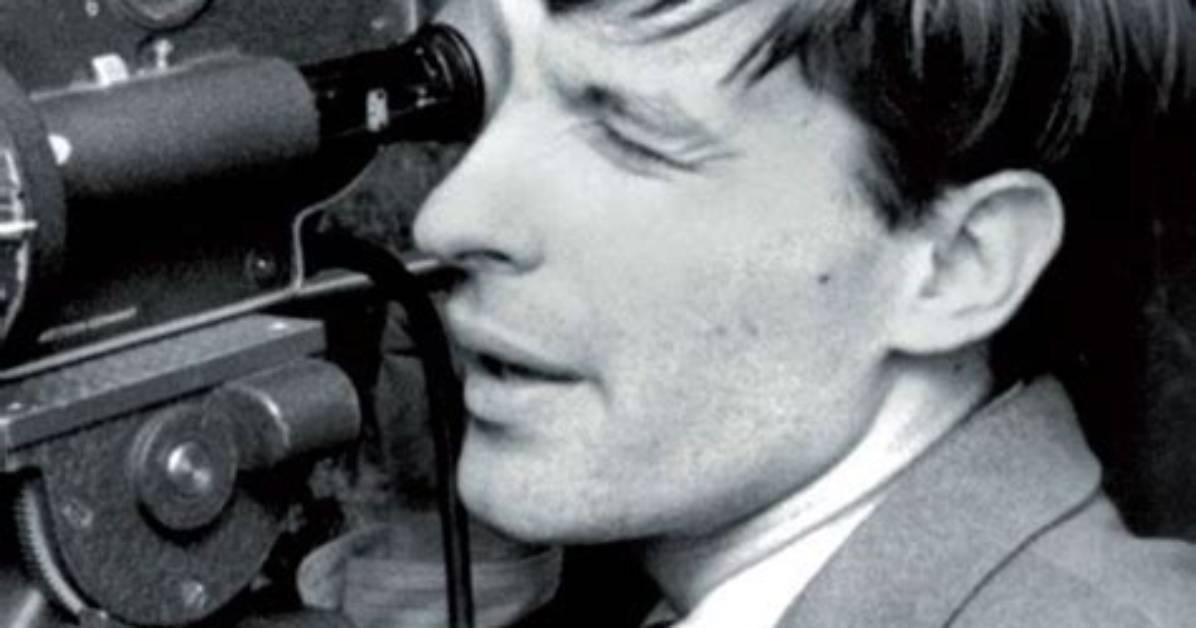
After Graduating from High School, He Attended Mohawk College and Colgate University Before Graduating from the New York Academy of Dramatic Arts in 1950. Throughout the Early 1950S He Worked as an Actor in Films Including Fourteen Hours (1951) and Taxi (1953). by the Late 1950S He Had Made a Name for Himself, with Roles in a Number of Movies Including 1958’S Saddle the Wind. His Big Break Came with a Regular Role on the Television Series “Johnny Staccato” Between 1959 and 1960.
Frequently Asked Questions
John Cassavetes Was Born in New York City on December 9Th, 1929.
After Graduating from High School, He Attended Mohawk College and Colgate University Before Graduating from the New York Academy of Dramatic Arts in 1950. Throughout the Early 1950S He Worked as an Actor in Films Including Fourteen Hours (1951) and Taxi (1953). by the Late 1950S He Had Made a Name for Himself, with Roles in a Number of Movies Including 1958’S Saddle the Wind. His Big Break Came with a Regular Role on the Television Series “Johnny Staccato” Between 1959 and 1960.
Winning Five Awards from the Venice Film Festival, Cassavetes Found Himself Suddenly in the Position of Making Higher-Budget Films Within the Studio System.
In 1961 He Made Too Late Blues Followed in 1962 by a Child Is Waiting, but Neither Had the Excitement or Improvisational Energy of Shadows. Resentful of Studio Interference in His Work, Cassavetes Went Back to Acting, Appearing in a Number of Films Including the Killers (1964), the Dirty Dozen (1967), and Rosemary’s Baby (1968). by 1968, However, Cassavetes Returned to Directing, This Time Working Independently.
Though Neither Faces nor Husbands Were Very Popular with the Mainstream Moviegoing Audience, Both Were Pivotal in the Integration of Cinema Verité Traditions in Future Hollywood Films.
This Crossover of the Experimental and Popular Was Clear in Cassavetes Most Successful Film. Though a Woman Under the Influence (1974) Was Produced with a Complete Script, It Retained Much of the Intuitive and Spontaneous Acting of Cassavetes’ Earlier Films. Staring Gena Rowlands and Peter Falk, the Film Investigated the Mental Illness of a Woman and the Disintegration of Her Marriage. Financed Independently by the Cast and Crew, a Woman Under the Influence Was a Popular and Critical Success.
Throughout the Late 1970S and into the 1980S, Cassavetes Continued to Work as Both an Actor and Director.
He Directed the Killing of a Chinese Bookie (1976), Opening Night (1977), and the 1980 Film Gloria Which Again Starred Gena Rowlands, and Which Many Believe Was One of Her Finest Performances. by the Time of His Death in 1989, Cassavetes Had Directed Twelve Films, Creating a Body of Work That Addressed Serious Topics and Paved the Way for a More Vibrant American Cinema.