How Do You Measure Nutrient Density in Food?
Food Is Nutrient Dense When It Contains High Amounts of Nutrients. One Way to Measure Nutrient Density Is to Measure the Amount of Solids in Food by Taking a Brix Reading. in Some Circles, Brix Is Now Equated to Nutrition.
Frequently Asked Questions
What Is Nutrient Density a Measure of?
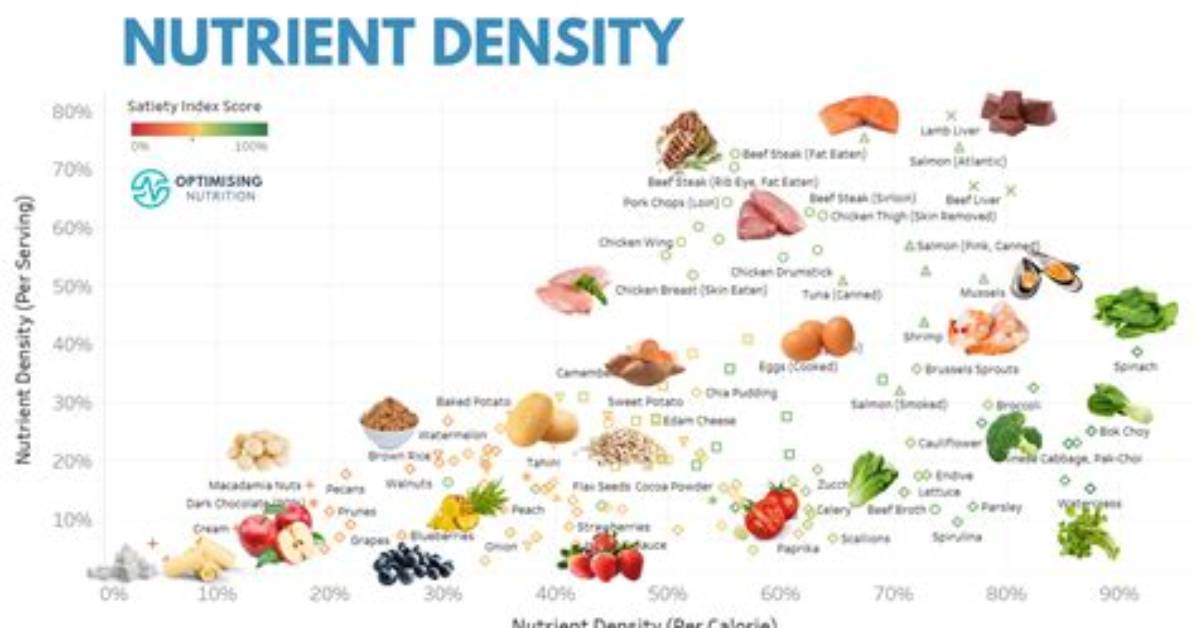
Nutrient Density Identifies the Amount of Beneficial Nutrients in a Food Product in Proportion to E. G. Energy Content, Weight or Amount of Detrimental Nutrients. Terms Such as Nutrient Rich and Micronutrient Dense Refer to Similar Properties.
What Is the Daily Nutritional Requirements?
The Average Person Needs About 2,000 Calories Every Day to Maintain Their Weight, but the Amount Will Depend on Their Age, Sex, and Physical Activity Level. Males Tend to Need More Calories Than Females, and People Who Exercise Need More Calories Than People Who Don’t.
What Is the Term Nutrient Density?
“Nutrient Density” Is a Term That Describes This Concept—It Incorporates the Balance of Beneficial Nutrients in a Food (Like Vitamins, Minerals, Lean Protein, Healthy Fats and Fiber) Compared with Nutrients to Limit (Like Saturated Fat, Sodium, Added Sugars and Refined Carbohydrates).
What’s the Difference Between Nutrient Density and Energy Density?
Nutrient Density Refers to How Many Nutrients You Can Obtain from Food, Given the Number of Calories It Contains. Similar to Way Energy Density Focuses on Calories per Serving, Nutrient Density Is a Simple Way to Forge a Link Between Nutrient Content and Calorie Count. Foods That Are Nutritionally Dense Provide…