Which Arches Have Fallen in Arches National Park?
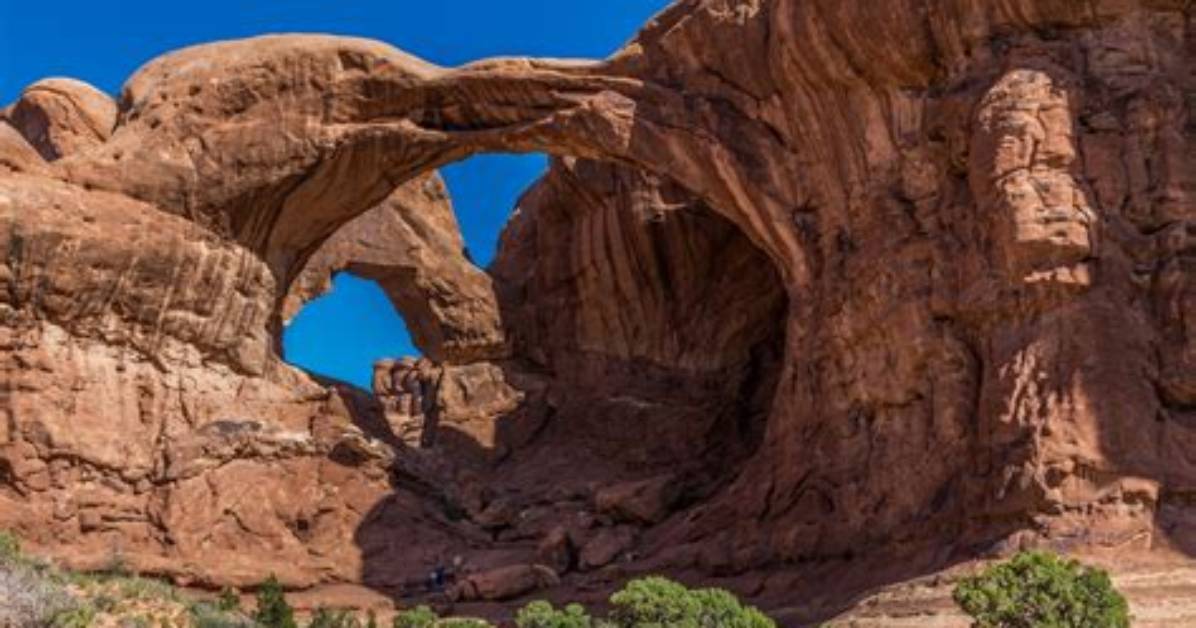
Arches National Park, located in Utah, is renowned for its stunning natural arch formations. Over millions of years, the forces of erosion have crafted magnificent arches that have become iconic symbols of the park’s beauty. However, Mother Nature’s relentless hand has also led to the collapse of several arches throughout the park’s history. These fallen arches serve as a reminder of the ever-changing landscape and the delicate balance between creation and destruction.
One of the most notable arches that no longer graces the landscape of Arches National Park is Wall Arch. Standing at an impressive height of 33 feet, Wall Arch was known for its unusual shape and exceptional beauty. Unfortunately, in the early hours of August 4, 2008, this arch succumbed to the forces of gravity and nature, collapsing into a pile of rubble. The collapse of Wall Arch served as a stark reminder of the impermanence of these natural formations, leaving visitors in awe of the power and fragility of the environment.
Another fallen arch of significant interest is Landscape Arch, which holds the title of the longest natural arch in North America. Stretching an incredible 306 feet, this arch attracts countless visitors due to its delicate thinness that seems to defy gravity. However, over the years, sections of Landscape Arch have crumbled and fallen, serving as a constant reminder that this stunning formation may not stand forever. Despite its gradual erosion, Landscape Arch remains a breathtaking sight and a testament to the captivating nature of the park.
FAQs About the Fallen Arches of Arches National Park
1. What causes arches to collapse?
Arches collapse due to the continuous forces of erosion. Weathering, winds, freezing, and thawing cycles all contribute to the eventual failure of these formations. The underlying rock structure and the specific geology of the area also play a role in the stability of the arches.
2. Are there any precautions in place to prevent arch collapses?
While there are no specific measures to prevent arch collapses, the park authorities closely monitor the condition of the arches, especially those that receive high visitation. Access may be restricted to ensure the safety of visitors when an arch is deemed unstable.
3. Are any new arches forming?
Yes, the never-ending process of erosion and geological activity ensures that new arches are constantly forming in Arches National Park. However, the rate at which new arches are created is much slower than the rate at which existing ones collapse.
4. What other famous arches have fallen?
Apart from Wall Arch and the ongoing erosion of Landscape Arch, other famous arches that have collapsed include the Dewey Bridge, Aloba Arch, Cathedral Arch, and Ring Arch. Each collapse adds to the unique story of the park’s ever-changing landscape.
5. Can fallen arches be rebuilt or replaced?
The natural formations in Arches National Park cannot be rebuilt or replaced. The park seeks to preserve the natural processes and historical significance of these formations rather than intervene to recreate what has been lost.
6. What precautions should visitors take while exploring the arches?
Visitors should adhere to park guidelines and designated trails while exploring the arches. Climbing on the arches or experiencing undue stress on them can accelerate their deterioration and hasten the process of collapse.
7. Are there warning signs before an arch collapses?
Unfortunately, predicting when an arch will collapse is nearly impossible. However, park rangers and geologists constantly monitor the arches for signs of instability, such as cracking or shifting, and take appropriate measures to ensure visitor safety.
8. How many arches are left in Arches National Park?
As of the most recent count, Arches National Park is home to over 2,000 natural arches. These arches take various shapes and sizes, providing a diverse array of geological wonders to explore.
9. Are all arches equally vulnerable to collapse?
No, not all arches are equally vulnerable to collapse. The specific geology and structural integrity of each arch determine its stability. Some arches have survived for thousands of years, while others may only last a few more decades.
10. Do arches only form in sandstone?
While sandstone is the primary rock type in which arches form, they can also be found in other types of rocks. However, sandstone’s unique properties, such as its ability to weather and erode into distinct formations, make it the most conducive rock for arch creation.
11. Can visitors witness arches collapsing?
Witnessing an arch collapsing is a rare and unpredictable event. Due to the gradual erosion process, collapses typically occur over extended periods of time, making it unlikely for visitors to witness such a dramatic event during their visit.
12. How can visitors contribute to the preservation of the arches?
Visitors can contribute to the preservation of the arches by respecting park regulations, staying on designated trails, and avoiding unnecessary stress on the formations. Additionally, leaving no trace and practicing responsible environmental behavior can help ensure the longevity of these natural wonders.
As the forces of nature continue to shape and transform Arches National Park, the fallen arches serve as poignant reminders of the impermanence of these awe-inspiring formations. Exploring the park’s remaining arches allows visitors to witness the captivating beauty of nature while contemplating the fleeting existence of these delicate structures. Arches National Park stands as a testament to the ever-evolving world we inhabit and the awe-inspiring power of the natural forces that shape it.